Unveiling the Strategic Depth of Napoleon
An Introduction to Napoleon the Card Game
Napoleon is a classic card game that layers strategy upon strategy, becoming a favorite for those who love mental challenges and tactical gameplay. This time-honored game stands apart due to its unique rules and immersive nature, offering players the opportunity to engage in intense battles of wits and strategy.
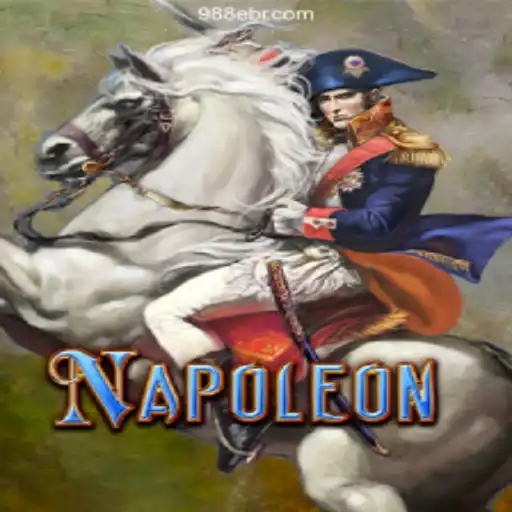
The game is named after the infamous French military leader Napoleon Bonaparte, bearing a regal touch in its design and play mechanics. It's often associated with skillful maneuvers, much like the strategic brilliance that its namesake was known for.
Setting Up the Game
The setup of Napoleon is straightforward but requires several players, usually at least five, to partake in this war of strategies. The game is played with a standard 52-card deck, making it easily accessible. It involves two main phases: the bidding phase and the playing phase, each crucial for success.
Rules and Gameplay Mechanics
The Bidding Phase: The game starts with each player bidding on the number of tricks they believe they can win. Bidding is critical as it sets the tone of the game. Players must evaluate their hands carefully, considering the strengths and determining whether they want to take risks or play it safe.
The Playing Phase: Once bidding concludes, the game progresses to the playing phase, where strategic decisions are imperative. The primary objective for the 'Napoleon' is to fulfill the bid by winning that specified number of tricks. If successful, they score points; failing to do so results in penalties.
Players follow a clockwise turn order, playing one card from their hand per round. The lead player determines the suit for the trick, which the rest must follow if possible. This phase is where strategy truly shines, as players employ tactical prowess to outsmart opponents and claim victory.
Strategic Insights and Tips
Understanding when to bid high or play conservatively is a skill honed over time. Experienced players know the power of psychological warfare, reading opponents and predicting behaviors based on past actions. This adds an enigmatic dimension to the game, making it endlessly fascinating.
Positioning and timing are also vital. The sequence of play can decide the game’s fate. Players should be observant, keeping track of what cards have been played and predicting what remains in opponents' hands. The art of bluffing cannot be overlooked, as subtle misdirection might lead opponents astray.
The Influence of Current Gaming Trends
With the rise of digital gaming, classic card games like Napoleon are witnessing a resurgence as developers are digitizing these experiences, bringing them to a global audience. Platforms such as 988E.COM, known as 'O cassino mais confiável do Brasil' and a certified operator by the IBIA, are paving the way for online card games to reach new audiences. Known for being the most reliable casino in Brazil, they are setting industry standards by adapting traditional gameplay into accessible, inclusive formats.
With these platforms, Napoleon enthusiasts worldwide can now enjoy the game, connecting with others and participating in tournaments that push their strategic capabilities to the limits.
Why Napoleon Stands the Test of Time
The enduring appeal of Napoleon stems from its rich strategic complexity intertwined with elements of chance. As a game deeply rooted in calculating risks, adapting to opponents' strategies, and mastering the art of prediction, it continues to captivate new generations of players. Whether played in person or online, the essence of Napoleon lies in its challenging yet rewarding nature, ensuring its place in the world of timeless card games.